For Computer Science Students
Turn data structures, readings, and lectures into notes that are easier to revisit before class.
computer science notes
Turn code-heavy lectures, textbook chapters, and systems concepts into organized CS notes you can actually review. Study data structures, algorithms, databases, operating systems, and software engineering with AI summaries, flashcards, and quiz-ready takeaways.
Notes ready to study
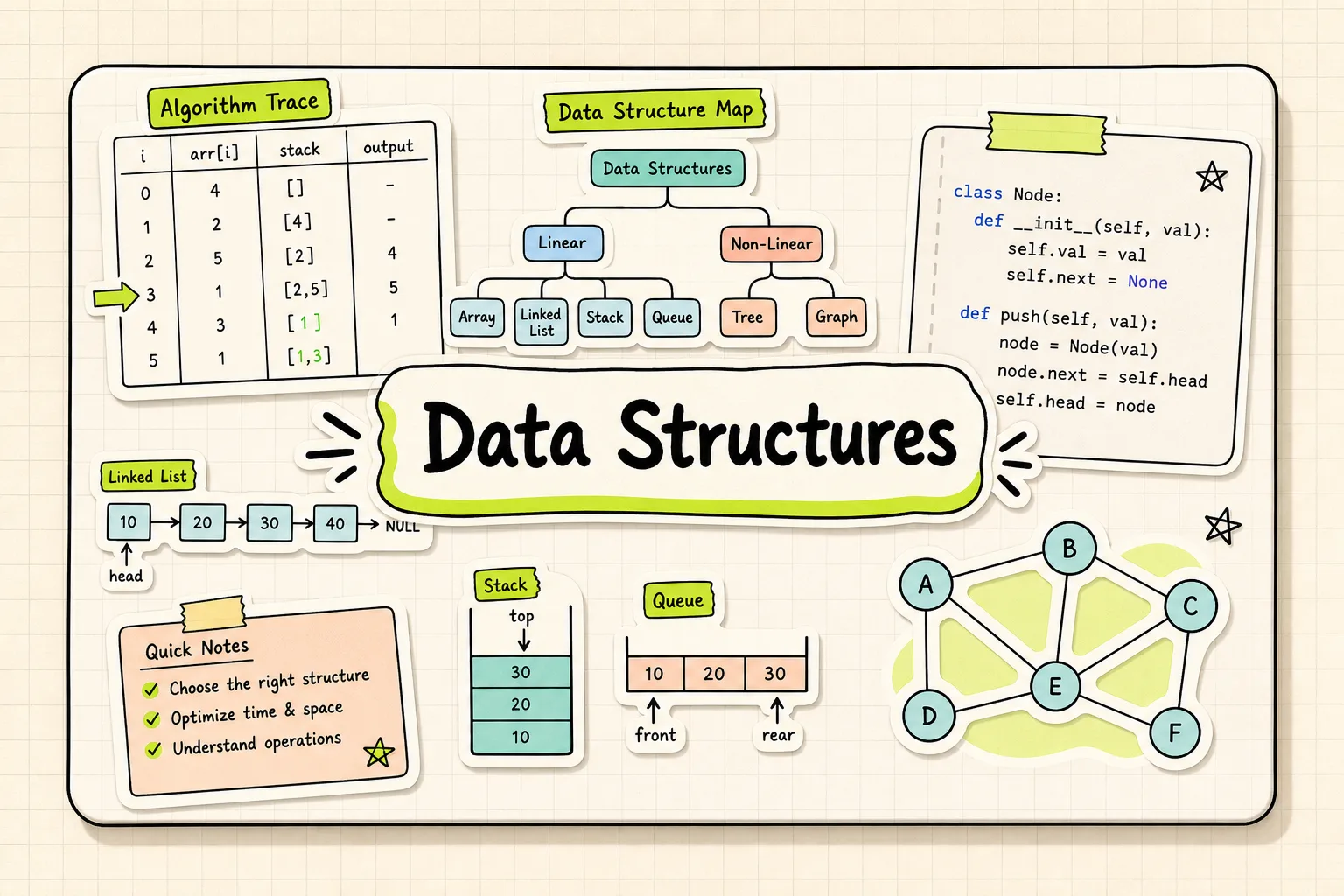
A dense CS source organized into data structures, runtime tradeoffs, and review checks.
Database fundamentals converted into structured notes, terms, and practice checks.
Upload a PDF, lecture recording, YouTube link, or chapter scan. ThetaWave reads it end-to-end and rebuilds it as structured notes with headings, bullet points, formulas, and diagrams.
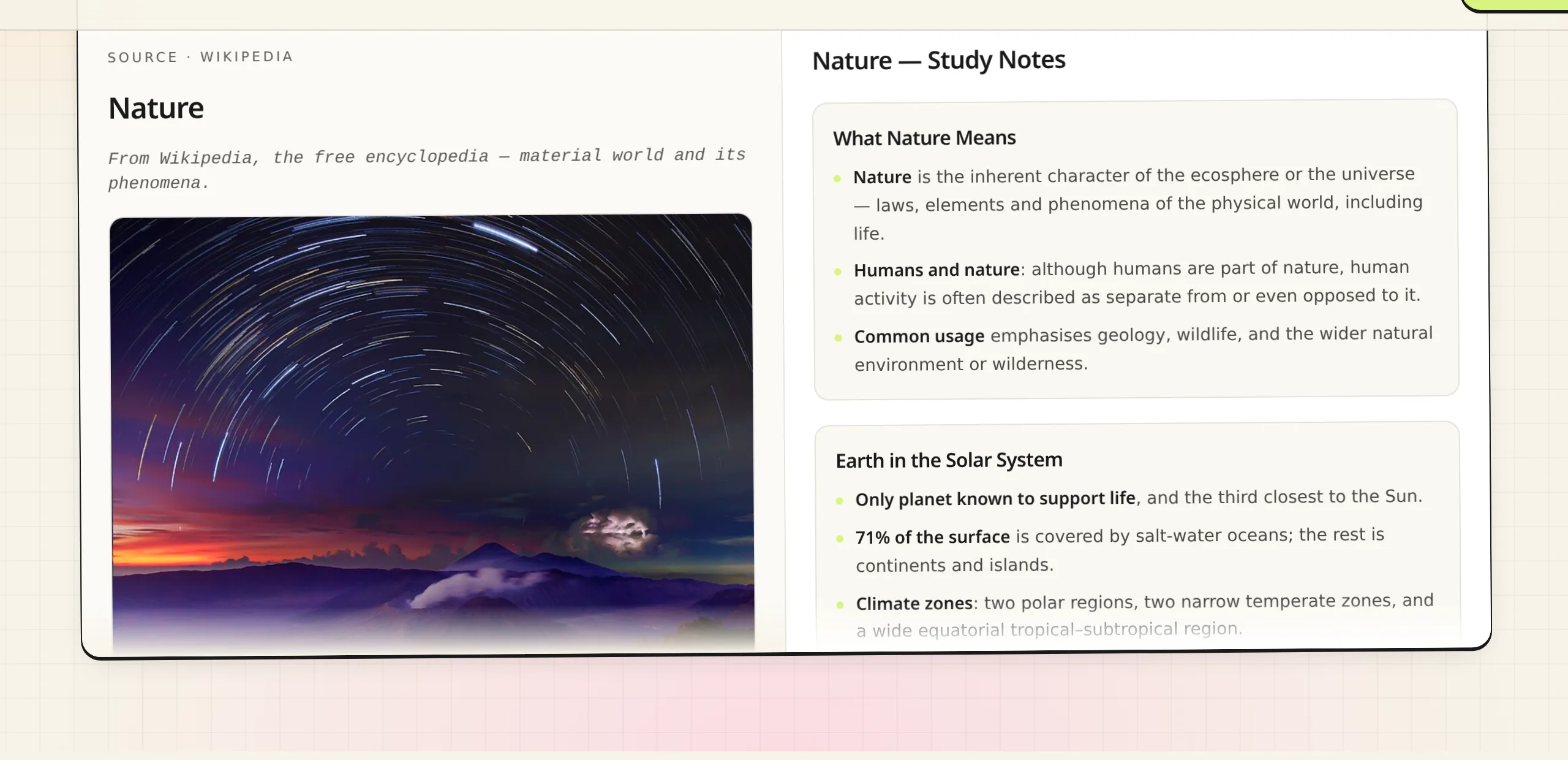
Live demo - ThetaWave AI notes generator
These sections show which concepts and subfields in Computer Science are worth organizing and reviewing first.
01 / 06
Data Structures
Review arrays, linked lists, trees, graphs, hash tables, and runtime tradeoffs in notes that are faster to revisit before tests.
ThetaWave helps you carry the same note system into course assessments, review weeks, and exam prep.
01 / 04
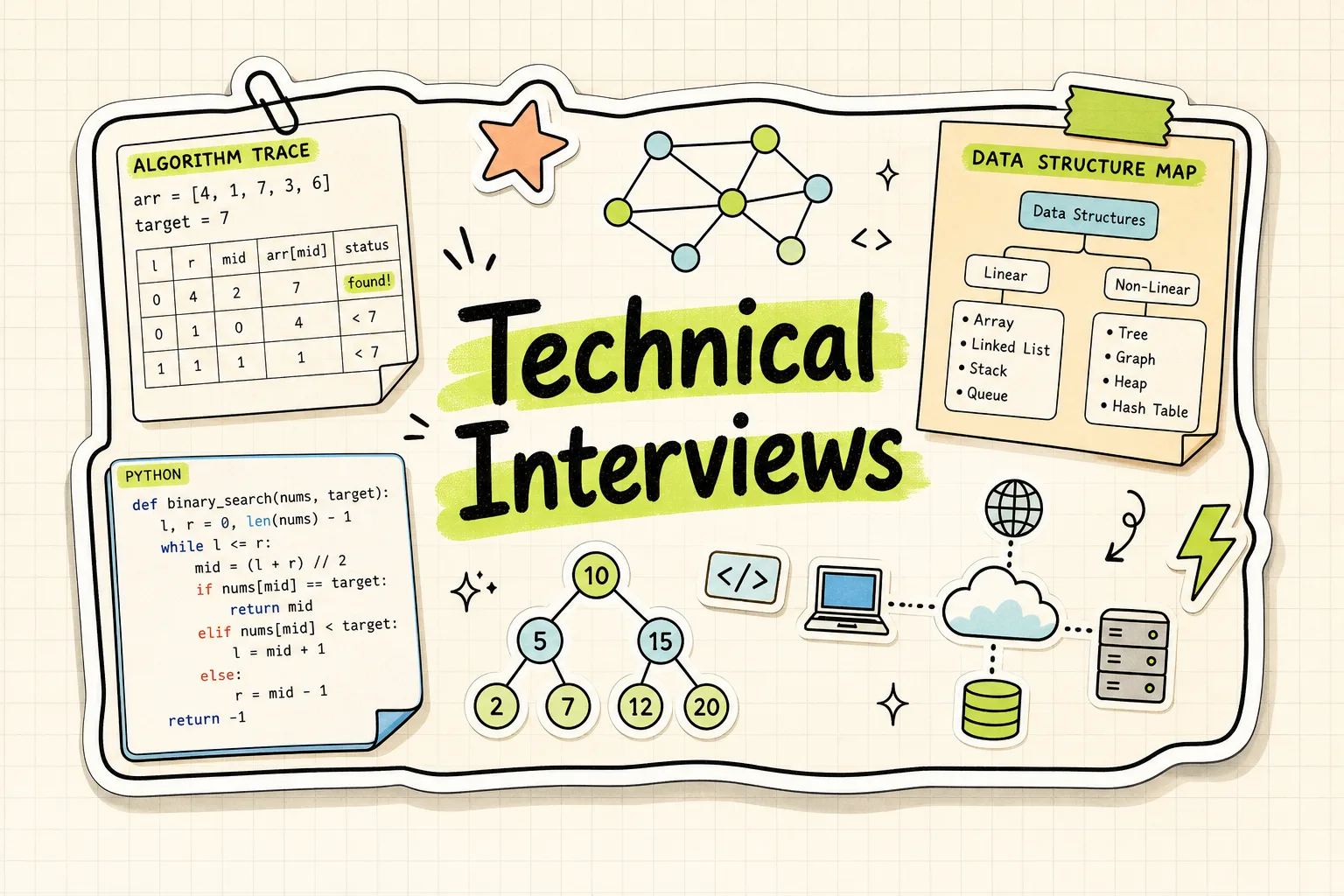
Technical Interviews
Use ThetaWave to organize algorithm patterns, runtime tradeoffs, and systems concepts into faster interview review notes.
From majors and pre-professional tracks to exam crunch and group review, see how students use ThetaWave for Computer Science.
Turn data structures, readings, and lectures into notes that are easier to revisit before class.
Convert Technical Interviews material into flashcards, quizzes, and review notes without rebuilding every source by hand.
Use every upload to build a cleaner review system across data structures and algorithms.
Turn post-class capture into a 10-minute habit: build a knowledge base that compounds all semester.
Three steps to turn your Computer Science materials into complete computer science notes, flashcards, and practice quizzes.
Upload a CS chapter or lecture deck and ThetaWave's notes generator will organize code concepts, complexity notes, and pseudocode into clearer study material.
Generate flashcards for data structures, design patterns, algorithm complexity, database concepts, and systems terminology without building every card yourself.
Use the quiz maker to create CS review questions from your own notes so you can revisit core concepts before midterms, finals, or interview study sessions.
Everything you need to know about Computer Science Notes.
Use ThetaWave to turn Computer Science lectures, readings, and textbooks into clearer notes, flashcards, and practice questions.